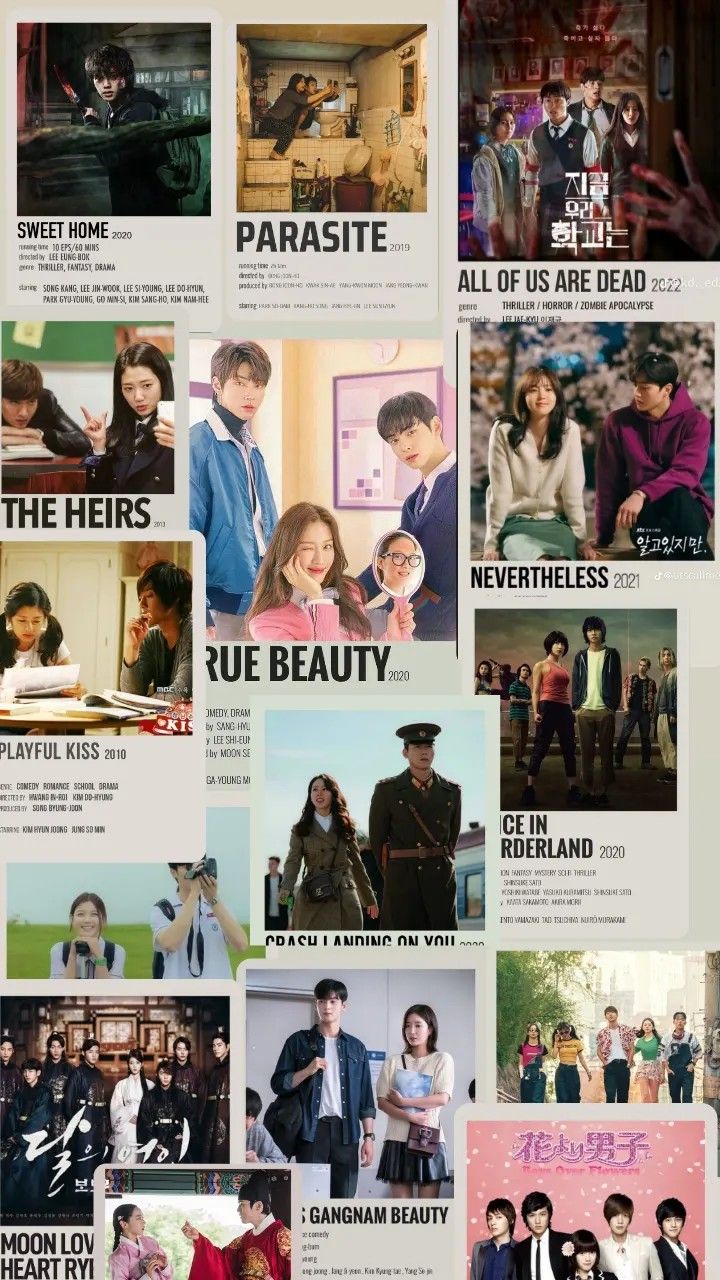
South-Korean Dramaturgy Addiction
How South Korean Dramas Became My Unlikely Obsession
How does one fall for South Korean dramas? It’s a quiet trap—curiosity lures you in, a stunning frame holds you, and soon you’re lost in characters who feel like old friends. For me, it began with Mr. Sunshine. That’s all it took: 24 episodes of a sweeping, soul-stirring tale to wake something I’d buried for years. I’d abandoned serialized dramas a decade ago, after Avenida Brasil left its mark in 2012 and closed a chapter I didn’t reopen. Then came Mr. Sunshine. It wasn’t just a show—it was art. Every frame pulsed with purpose, every character carried a heartbeat. By the end, I was undone.
From there, the floodgates broke. I dove into a world alive with stories—Crash Landing on You, Twenty-Five Twenty-One, It’s Okay to Not Be Okay, My Liberation Notes. Each offered something singular yet stitched with the same thread: raw, resonant emotion. These aren’t escapes. They’re mirrors. They reflect the ache and hope we all carry, no matter where we stand.
Take My Liberation Notes. It doesn’t shout with grand twists. It lingers—softly, deliberately—on loneliness, yearning, the life just out of reach. Watching it felt like therapy, as though it named feelings I’d held but never shaped into words. That’s the gift of these dramas: they don’t just play out. They settle in, shifting how you see your own quiet battles.
What sets them apart goes beyond heart. South Korean dramas are brief, intentional. Most span 12 to 16 episodes, every moment woven tight. Compare that to Western shows, sprawling over years, sometimes fraying their own threads. Here, brevity sharpens the story. Doona! tells a rich, tender tale in just nine episodes—each one vital, each one enough. You’re left satisfied, not drained.
And the artistry? It’s breathtaking. Cinematography that could hang in a gallery, performances that pierce straight through, writing that dances between poetry and truth—they pull you in and hold you close. I’ve started chasing the creators—actors, directors, screenwriters—eager to see where their next thread leads. There’s a thrill in it, like unearthing a story meant just for you. “Ignorance is bliss,” the old saying goes. I laugh. Whoever wrote that never knew this joy.
But it’s more than craft that keeps me tethered. It’s the way these dramas cradle the universal—love, despair, greed, hope—emotions that know no borders. They weave them into every glance, every silence, reminding me of a simple truth: our feelings bind us. No matter the language or the miles, we’re linked by what stirs inside.
So maybe this is an addiction. I’ll own it. These dramas brighten my days and widen my lens, showing me how vast yet shared our human tapestry is. They’re not just stories—they’re a quiet call to feel, to connect, to remember why tales matter. And isn’t that the pulse of all great art?
Image courtesy of Shuffles by Pintrest
Comments are closed.