South Korean Dramas With Jaw Dropping Cinematography
This space has always been my sanctuary, where writing stitches together the threads of my mental health. But for as long as I can remember, cinematography has been another refuge, a world where light, shadow, and silence speak as loudly as words. As I draw closer to crafting my first documentary, I find myself returning to the spellbinding visuals of South Korean dramas, each frame a lesson in holding a story, much like my words hold my thoughts. These dramas are my study in emotion and artistry, a language I’ve long cherished and now long to speak.
Cinematography is more than the act of filming, it is the visual heartbeat of a story, the place where atmosphere, symbolism, and emotion converge. It’s how light bends to reveal truth, how shadows stretch to hide it, how a camera lingers or drifts away as if it, too, were part of the narrative. In the best of auteur cinema, whether in South Korea or on the international stage, cinematography becomes a kind of poetic language, speaking through colour, movement, and silence. In K-dramas, this language often carries emotion long before a single word is spoken, a kind of cinematic nunchi, attuned to the unspoken and the unseen. It asks us not just to watch, but to feel: to witness longing in a slow pan, grief in the soft dimming of colours, hope in a sunrise blurred by rain-streaked glass.
This is visual poetry in motion, and when it’s done well, it doesn’t simply stay with you, it lives in you, like a memory you didn’t know you had.
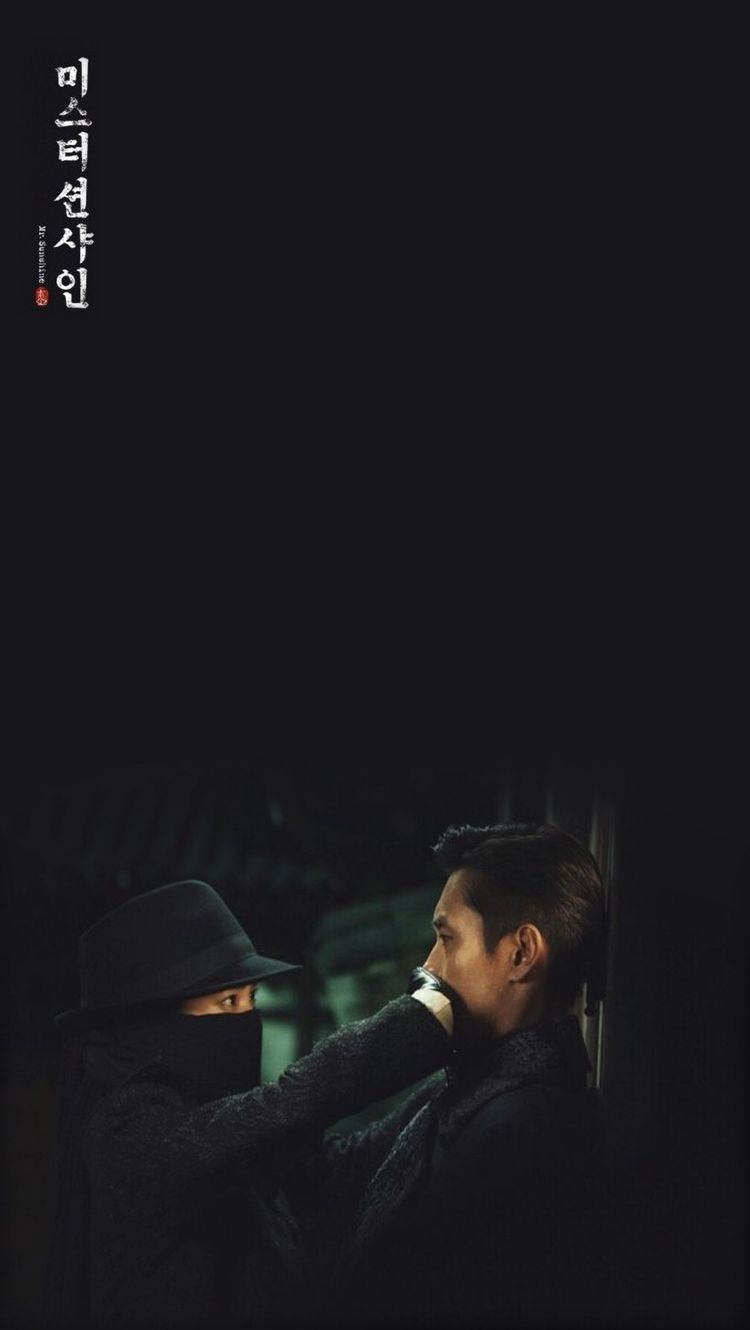
I can’t speak of K-drama cinematography without first pausing at Mr. Sunshine, my first love. Its frames unfold like an illuminated manuscript, painted in sepia and shadow. Light spills over hanboks, soft as silk from forgotten dynasties; smoke curls through sunlit windows, carrying whispers of another time. In one unforgettable scene, Ae-shin stands against a twilight sky, her silhouette framed by the ache of a nation’s history, the camera lingering as if it, too, feels her resolve. The landscapes breathe, the sorrow resonates, and every shot holds the weight of resilience with quiet reverence. Mr. Sunshine doesn’t demand attention, it earns it, like a heartbeat beneath stillness.
If Mr. Sunshine is a portrait in sepia, Pachinko is a tapestry woven from fragments of time and silence. Its cinematography glides between eras with breathtaking grace, each period alive in its own palette: the warm golds of 1930s Korea, the cool greys of 1980s Japan. In a moment that haunts me, Sunja sits by an ocean that stretches endlessly, her face lit by dawn’s tender light, the camera holding her as if cradling her unspoken grief. Doorways frame lives caught between what was left behind and what lies ahead. Pachinko doesn’t just tell a story, it etches it into your soul, its visuals pulsing with the weight of generations.
Then there’s Goblin, a myth carved in light. Its frames feel like a whispered spell, snow falling in slow motion, candles flickering against eternity’s hush. In the iconic moment when Goblin meets Ji Eun-tak, cherry blossoms drift like fleeting promises, the camera circling them as if the universe itself is holding its breath. The cinematography balances the divine and the intimate: vast, cathedral-like spaces echo with loneliness, while shared umbrellas and lantern-lit glances glow with sacred warmth. Goblin elevates every day to the eternal, its visuals lingering like a melody you hum without knowing why.
If Goblin is a myth, My Mister is a poem whispered in shadow. Its cinematography embraces restraint—narrow hallways, rain-speckled windows, muted colours that feel like a held breath. In one quiet scene, Ji-an walks alone through a dimly lit alley, the camera resting on her weary frame, her solitude unmasked yet softened by a flicker of streetlight. The lens doesn’t intrude; it listens, letting silence speak. Beneath the grey, there’s warmth, a small gesture lit like grace, a hope that glows in the ordinary. My Mister reminds us that beauty doesn’t need grandeur to break your heart; it just needs to see you.
Kingdom haunts in a different way, its visuals a fever dream of Joseon era dread. Fog-shrouded mountains loom like silent witnesses, while candlelit palaces pulse with unease. In a chilling moment, the camera sweeps across a frozen lake, zombies emerging from mist like spectres of a broken dynasty, their shadows stretching across the ice. The muted sepia palette and meticulous framing, hanboks stark against eerie forests, create a world both authentic and surreal. Kingdom’s cinematography doesn’t just build tension; it makes the horror feel inevitable, each frame a brushstroke in a painterly nightmare.
What lingers isn’t just the stories these dramas tell, it’s how they choose to be seen. A scarf caught in the wind, a doorway framing a life in transit, a shadow swallowing a secret, these images stay because they feel true. As I step closer to my own lens, I carry this lesson: cinematography, at its best, is intimacy. It asks us to look closer, to notice what light reveals and what let’s slip away. These K-dramas live in me not just for their beauty, but because their frames feel like memories I’ve always carried, reminding me that a single image, held with care, can become a truth you never knew you needed.
Image courtesy of tvN
Comments are closed.