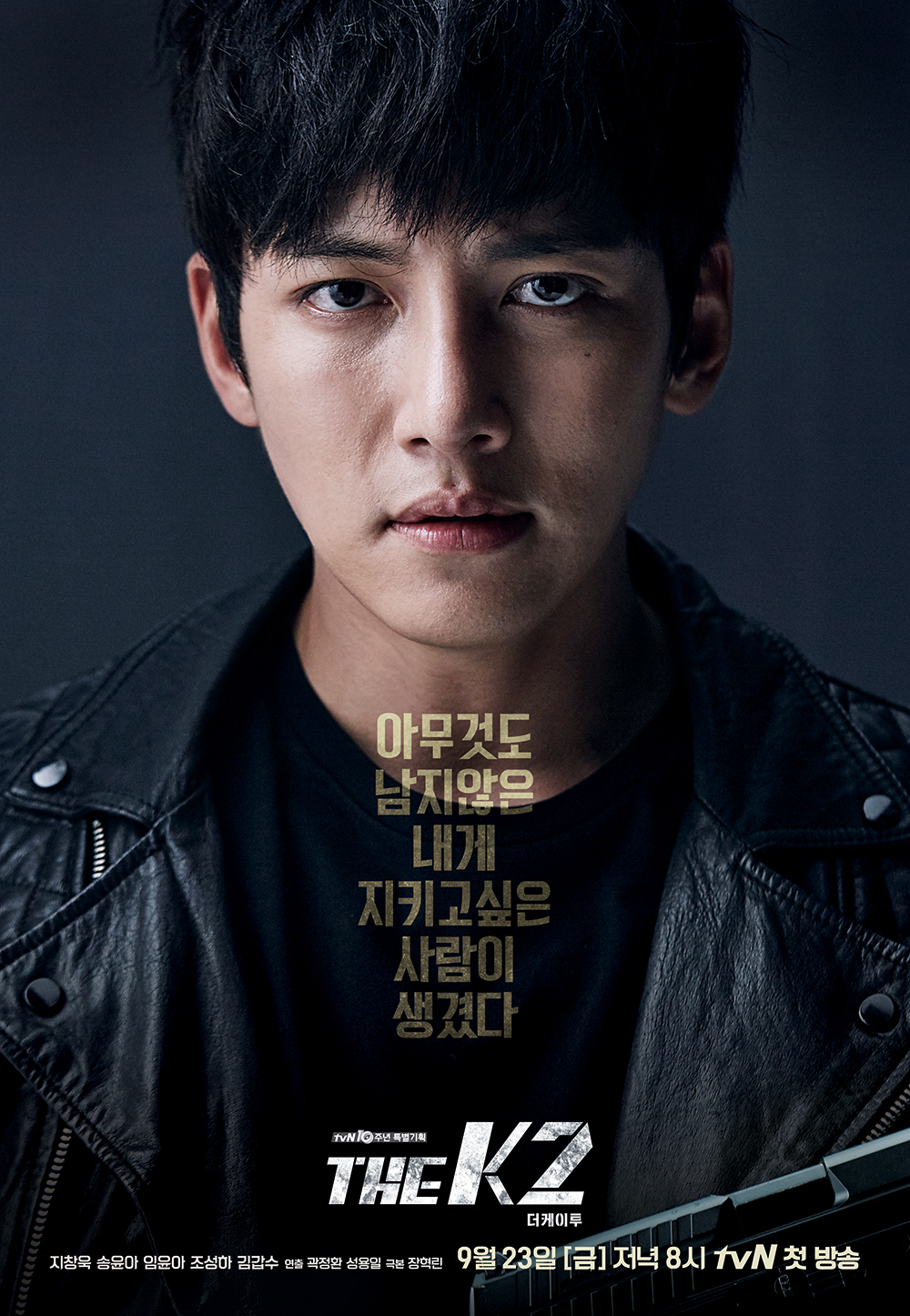
The K2 (더 케이투)
Written by Jang Hyuk-rin | Directed by Kwak Jung-hwan & Sung Yong-il
Developed by Studio Dragon
Years after its 2016 release, The K2 still unsettles me. For a series from that period, the presence of an AI-like computer system woven into the narrative felt quietly ahead of its time, even if it did not appear futuristic in the way artificial intelligence is often imagined today. The show seemed to anticipate how invisible, data-driven systems would become instruments of control rather than assistance, operating silently in the background while shaping lives in subtle, insidious ways.
At its core, this drama is not truly about a bodyguard, politics, or technology. It is about how power reshapes intimacy, how protection can erode autonomy, and how people are slowly transformed into tools for causes they never fully chose. Beneath the action and intrigue lies a meditation on survival and on the cost of remaining human in spaces where loyalty is demanded, yet rarely returned.
Ji Chang Wook’s performance is nothing short of remarkable. There is a subdued ferocity in the way he inhabits his character, a commanding physical presence that always serves a deeper ache beneath the surface. He conveys exhaustion, restraint, and inner conflict with quiet precision, lifting the emotional weight of the drama as a whole. Even in silence, his expressions reveal wounds that time refuses to soften. They endure. Quietly. A man caught in the ongoing act of weighing duty against the slow fading of his own convictions.
What I found most compelling is how the drama treats protection as a paradox. To protect someone can mean to save them, yet it can also mean to confine them. Safety becomes a carefully constructed illusion, like glass walls that shield while isolating, often serving those in power more than those they claim to protect. The story invites reflection on who truly benefits from protection, and at what moment it begins to resemble possession.
A deep loneliness also runs through the narrative. Characters move in close proximity to one another, yet remain profoundly isolated. Trust is fragile, affection is conditional, and vulnerability feels risky. Within this emotional landscape, even the smallest gestures of care carry immense weight, reminding us how rare and precious genuine human connection becomes when nearly everything else is transactional.
Watching it today, the story feels less like a product of its time and more like an early echo of the world we inhabit now. A world where power hides behind systems, where control is often invisible, and where individuals must fight not only external enemies, but the quiet erosion of their own agency.
In the end, it stayed with me not because of spectacle, but because of its questions. What does it mean to protect without owning. To serve without disappearing. To survive without losing oneself. These are not questions the drama answers for us. It simply holds them up, gently and relentlessly, inviting us to sit with them a while longer.
Image courtesy of tvN
Comments are closed.