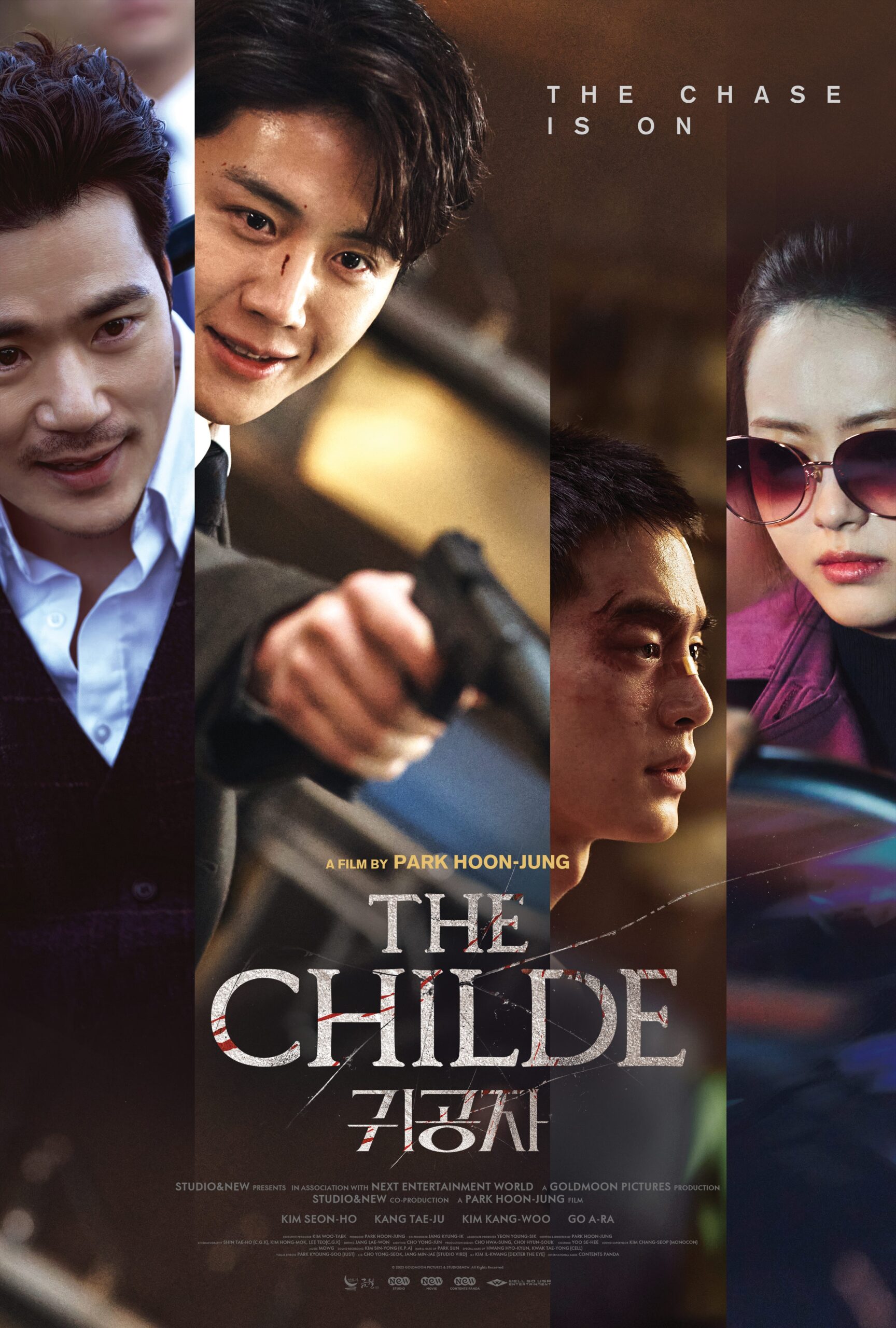
The Childe (귀공자)
Written and directed by Park Hoon-jung
In the quiet spaces between heartbeats, where stories unfold and human truths linger, cinema finds its deepest resonance. The Childe, a luminous addition to South Korean cinema, carries this pulse—a vibrant echo of films like The Villainess, Oldboy, and I Saw the Devil, which have long inspired the kinetic elegance of modern action giants like John Wick. Yet, this production is no mere descendant; it is a story woven with intention, threading three perspectives into a single, seamless narrative. This delicate balance of complexity and clarity feels like a conversation with the heart—each moment purposeful, each frame a brushstroke on a canvas of human longing and resilience.
There is a quiet joy in tracing an artist’s journey, watching their spirit stretch toward new horizons. Kim Seon-Ho, whose warmth illuminated Startup and Hometown Cha-Cha-Cha, has long held a place in my heart for his ability to make vulnerability feel like strength. Though I’ve yet to witness his theatrical work in South Korea, his performance in The Childe feels like a revelation—a gathering of light and shadow. He moves through the film with a presence that is both commanding and tender, his eyes carrying the weight of unspoken stories. In a fleeting moment of stillness, as his character pauses amidst the chaos, you see not just a man but a soul searching for meaning—a beacon of the film’s emotional truth.
Park Hoon-jung, a storyteller who sculpts with both precision and compassion, has a gift for uncovering voices that resonate. Newcomer Kang Tae-joo, chosen from nearly 2,000 hopefuls to play Marco, steps into this world with a raw, unpolished energy that feels like a spark catching fire. His performance is a dance of instinct and depth, carrying the weight of a young man caught in life’s unpredictable currents. Together, the ensemble weaves a tapestry of connection, each actor a thread that strengthens the whole.
The film’s rhythm is a marvel—a two-hour journey that moves like a river, swift yet serene. Car chases pulse with adrenaline, confrontations crackle with tension, and action sequences unfold like poetry in motion, each frame meticulously crafted yet alive with spontaneity. In one breathless moment, the camera weaves between perspectives—a fleeting glance, a clenched fist, a distant figure watching—tying the story’s threads into a single, beating heart. Yet, beneath this flurry lies a quiet reverence for the human spirit. The Childe asks not just what drives us to act, but what anchors us when the world spins too fast—questions of identity, loyalty, and the fragile hope that binds us to one another.
What sets it apart is its refusal to be merely spectacle. The cinematography, with its rain-slicked streets and shadowed intimacy, paints a world that feels both vast and personal. The score, a haunting undercurrent, cradles the story’s emotional weight, lifting moments of quiet reflection as powerfully as it fuels the action. This is a film that speaks to the soul of global cinema, standing shoulder-to-shoulder with Hollywood’s finest while offering something rarer: a story that feels alive, human, and true.
For those who love the relentless thrill of action, the tender pull of drama, or the simple beauty of a story well-told, The Childe is a gift. It reminds us why we turn to cinema—not just to escape, but to feel, to question, to connect. In its delicate balance of chaos and calm, it whispers a truth: stories are not just told; they are felt, carried, and cherished, long after the screen fades to black.
Image courtesy of Next Entertainment World
Comments are closed.